


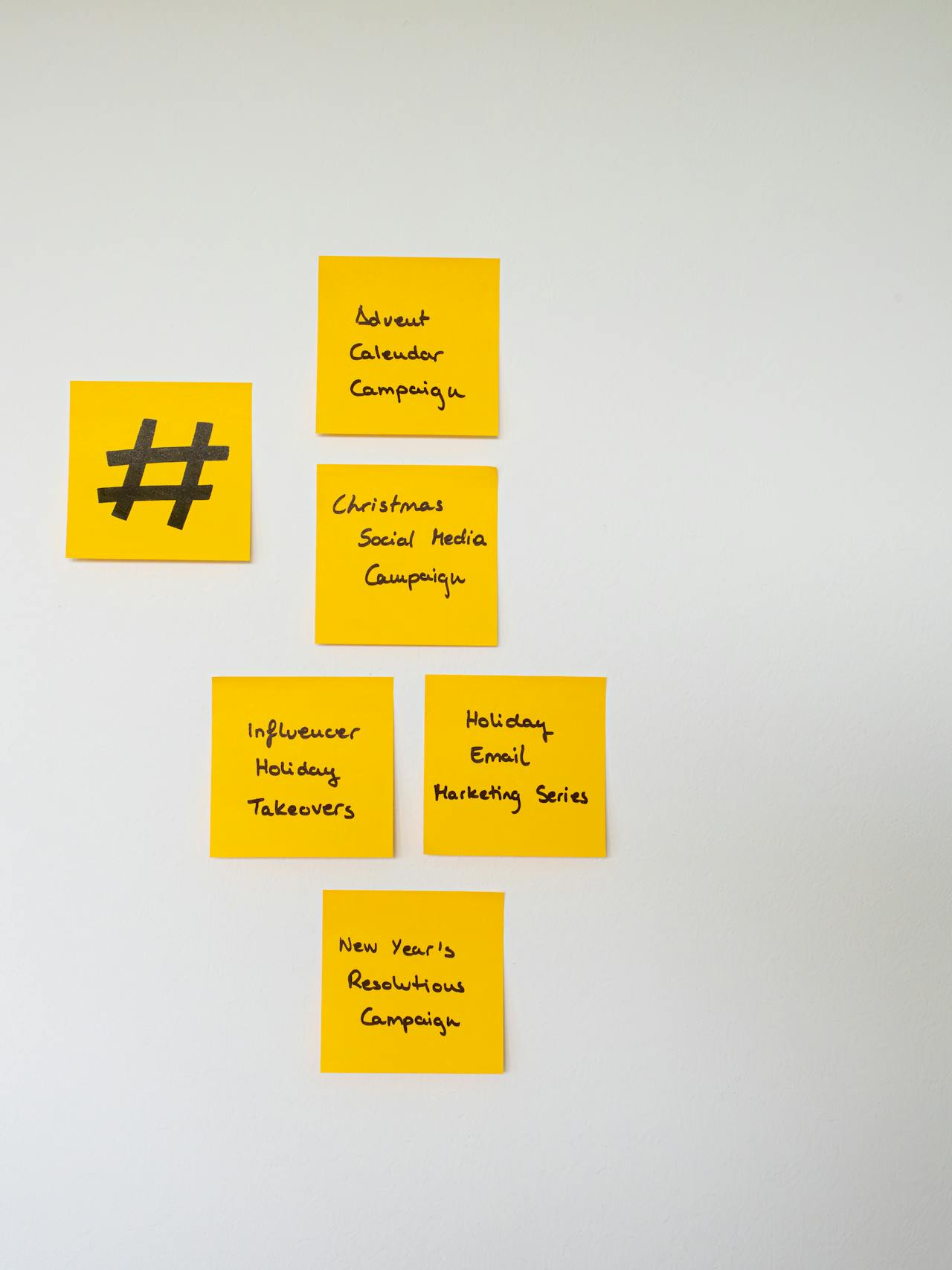
Creating a Powerful Marketing Plan is essential for any business that wants to grow, attract customers, and increase revenue. Without a clear plan, marketing efforts can become confusing and ineffective.
This guide will walk you through simple, practical steps to build a marketing plan that delivers real results.
What is a Marketing Plan?
A marketing plan is a strategy that outlines how your business will promote its products or services to the right audience.
It includes:
- Goals
- Target audience
- Marketing channels
- Budget
- Performance tracking
Purpose:
To guide your actions and ensure every effort contributes to business growth.
1. Set Clear Goals
The first step in building a Powerful Marketing Plan is defining your goals.
Examples of Marketing Goals:
- Increase website traffic
- Generate more leads
- Boost sales
- Grow social media followers
Tip:
Use SMART goals (Specific, Measurable, Achievable, Relevant, Time-bound).
2. Understand Your Target Audience
You need to know who your customers are before you can reach them.
Identify:
- Age and gender
- Location
- Interests and behavior
- Problems they need solved
Why it matters:
Better understanding leads to better marketing results.
3. Analyze Your Competitors
Study what your competitors are doing.
Look at:
- Their content
- Social media activity
- Pricing strategies
- Strengths and weaknesses
Goal:
Find opportunities to stand out.
4. Choose the Right Marketing Channels
A Powerful Marketing Plan uses the right channels to reach the audience.
Popular Channels:
- SEO (Search Engine Optimization)
- Social media marketing
- Email marketing
- Paid advertising (Google Ads, Facebook Ads)
Tip:
Focus on platforms where your audience is active.
5. Create High-Quality Content
Content is the backbone of your marketing strategy.
Types of Content:
- Blog posts
- Videos
- Infographics
- Social media posts
Key point:
Your content should educate, inform, or solve problems.
6. Set a Budget
Decide how much you are willing to spend on marketing.
Budget Includes:
- Advertising costs
- Tools and software
- Content creation
Tip:
Start small and increase your budget based on results.
7. Use Tools and Automation
Marketing tools can save time and improve performance.
Examples:
- Email automation tools
- Social media schedulers
- Analytics platforms
Benefit:
Better efficiency and consistent execution.
8. Track and Measure Results
Tracking performance is key to improving your Powerful Marketing Plan.
Important Metrics:
- Website traffic
- Conversion rate
- Cost per lead
- Return on investment (ROI)
Tip:
Use data to make better decisions.
9. Adjust and Improve
Marketing is not a one-time effort.
Always:
- Test different strategies
- Analyze results
- Make improvements
Goal:
Continuous growth and better performance.
Final Thoughts
A Powerful Marketing Plan is the foundation of business success. By setting clear goals, understanding your audience, choosing the right channels, and tracking your results, you can create a strategy that truly works.
Start simple, stay consistent, and keep improving your plan over time. That’s how real results are achieved.